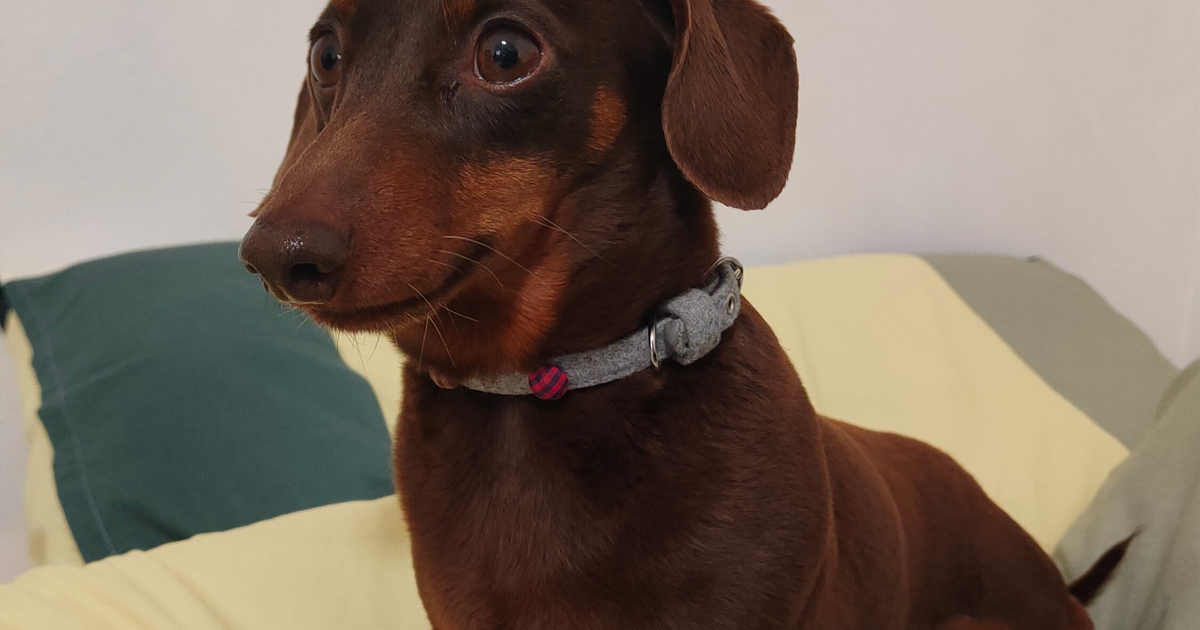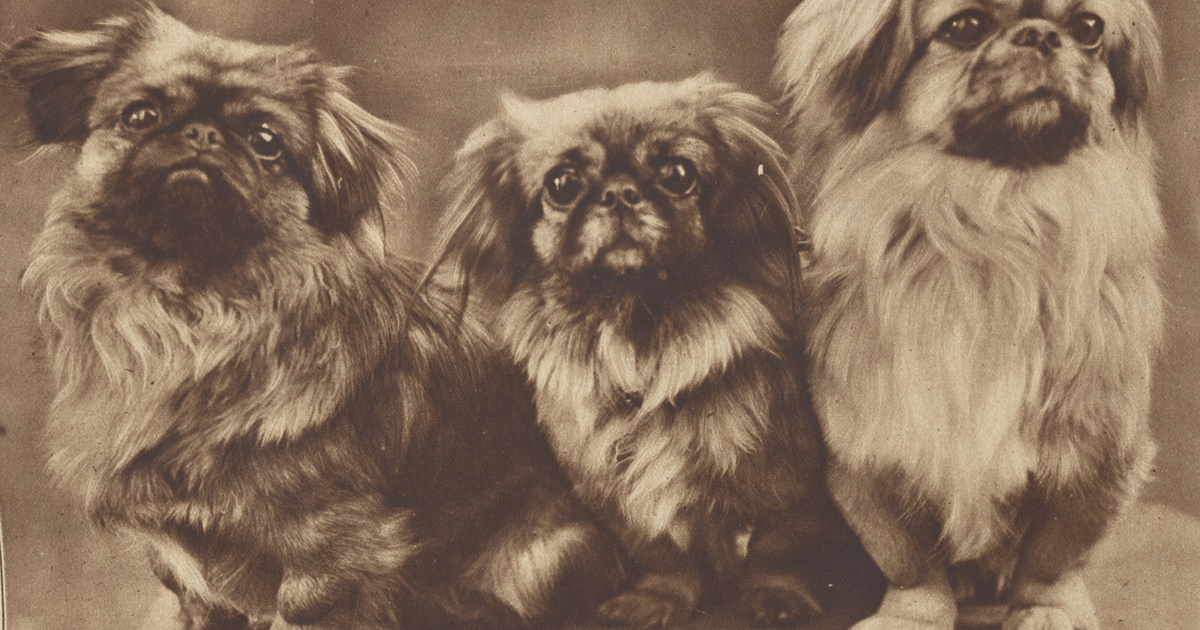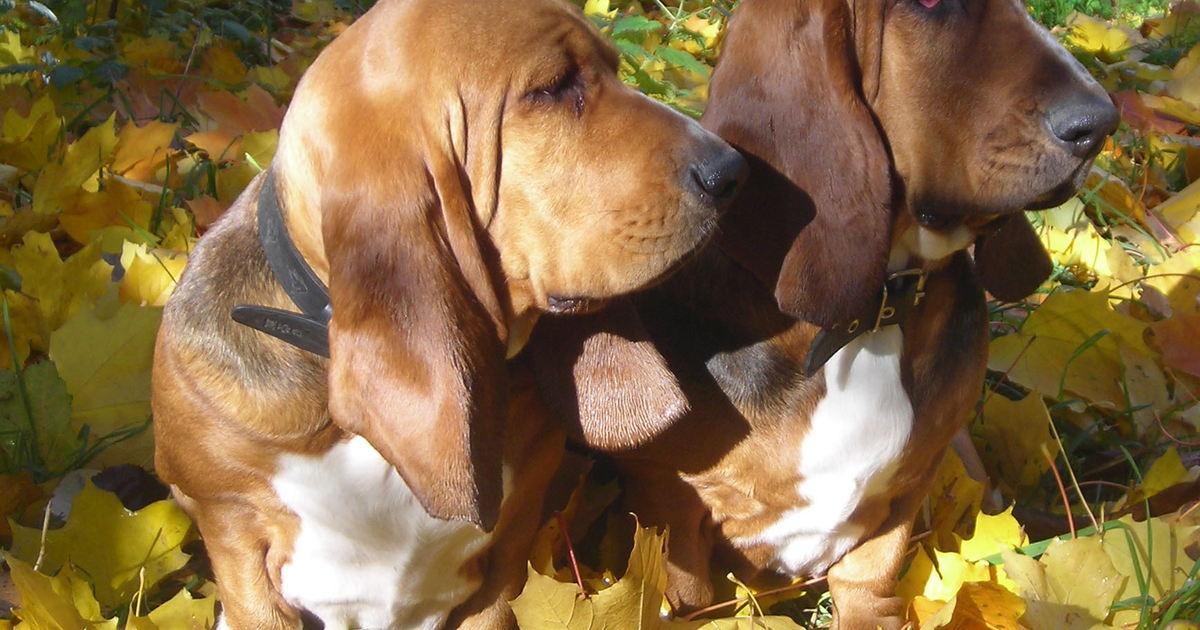
Bottom line: In Basset Hounds, the short legs and the disc problems come from two different mutations, and only one of them is worth breeding away from. The chromosome 18 FGF4 retrogene (CDPA) is fixed in the breed at a frequency of 1.00 — it makes the legs short and carries no known disc risk. The chromosome 12 FGF4 retrogene (CDDY) is what drives premature disc degeneration and Hansen type I intervertebral disc disease (IVDD), and in Basset Hounds it sits at 0.83 — high, but not fixed. That gap is the whole point: unlike Dachshunds, where the allele is essentially universal and the DNA test cannot separate one dog from another, Basset Hound breeders still have variation to select on, and can reduce CDDY while keeping the breed’s defining silhouette. A DNA result is a genotype, not a diagnosis, and it does not tell you whether or when your dog will herniate a disc. If your Basset suddenly cries when lifted, arches or trembles, drags a hind foot, wobbles, or cannot urinate, treat it as an emergency and see a veterinarian the same day — with type I extrusions, time to treatment drives the outcome.
- Two FGF4 retrogenes, two very different consequences
- What the numbers say about Basset Hounds specifically
- Why the test is worth running in this breed — and not in every breed
- Radiographs still matter: the calcification score
- Where to test in the US, the UK and elsewhere
- What a DNA test can and cannot tell you
- Signs that need a vet today
- The part you control: weight, footing and how you lift him
- Frequently asked questions
- Related articles
- References
- How to get your pet tested
Two FGF4 retrogenes, two very different consequences


A retrogene is a copy of a gene that gets reverse-transcribed and pasted back into the genome somewhere else. In dogs, the FGF4 gene did this twice, and each copy landed in a different place with a different consequence.
- 18-FGF4RG, or CDPA (chondrodysplasia) — the short-leg insertion. Parker et al. (2009, Science) showed it defines the short-legged body plan of at least 19 breeds, naming the Dachshund, the Corgi and the Basset Hound explicitly. It is not associated with disc disease.
- 12-FGF4RG, or CDDY (chondrodystrophy) — the disc insertion. Brown et al. (2017, PNAS) identified it, measured an approximately 20-fold increase in FGF4 expression in the neonatal intervertebral disc, and reported an odds ratio of 51.23 for IVDD. It shortens legs too — but it also causes the nucleus pulposus to undergo chondroid metaplasia, calcify early, and extrude.
For IVDD risk, CDDY behaves as an autosomal dominant: one copy is enough to raise risk substantially, which is why laboratories such as the UC Davis Veterinary Genetics Laboratory and LABOKLIN report the two retrogenes as a combined test rather than one number. Orivet’s breeder fact sheet puts Basset Hounds, Dachshunds and Pekingese in the same bucket: breeds that frequently carry both.
What the numbers say about Basset Hounds specifically
SamSo where does my breed actually sit on those two genes? Elena MarshBatcher et al. (2019) genotyped 569 surgical IVDD dogs: Bassets came in at 0.83 for CDDY and 1.00 for CDPA.Batcher et al. (2019, Genes) is the reference dataset here. The team genotyped 569 dogs that had undergone decompressive spinal surgery for IVDD at the UC Davis Veterinary Medical Teaching Hospital — 61 purebred varieties plus 127 mixed-breed dogs — and cross-referenced the hospital’s wider patient repository. For Basset Hounds:
- 12-FGF4RG (CDDY) allele frequency: 0.83. High, but with real variation left in the population.
- 18-FGF4RG (CDPA) allele frequency: 1.00. Fixed — every Basset in the sample carried it.
- Surgery prevalence within the repository: 13.89% — roughly one in seven Bassets seen at the hospital had spinal decompression surgery.
- Median age at first surgery: 5.5 years, younger than the Beagle (7.9) and the Pembroke Welsh Corgi (7.0), and younger than the Dachshund (6.5).
Across the whole cohort, dogs carrying one or two copies of CDDY reached surgery 26 to 31 months earlier than dogs with none (p < 0.001). Radiographic disc calcification tracked copy number in a dose-dependent way — 84.8% of homozygotes, 63.8% of heterozygotes and only 18.5% of non-carriers had calcified discs, giving an adjusted odds ratio of 14.82 (95% CI 6.46–34.04) for two copies versus zero.
Conformation compounds the genetics. In a 14-month cross-sectional study of 700 dogs at a UK referral hospital, Packer et al. (2013, PLoS ONE) found that a higher back-length-to-height-at-withers ratio was associated with greater risk of thoracolumbar disc extrusion, and that being overweight and being skeletally smaller each independently increased risk. Bassets are named in that paper as a classic chondrodystrophic breed. The genotype is fixed at birth; the body condition score is not.
Why the test is worth running in this breed — and not in every breed
SamI read that the DNA test is useless in Dachshunds. Is it useless here too? Elena MarshNo — and the difference is arithmetic. Dachshunds sit at 0.99, so nearly everyone tests positive. Bassets sit at 0.83, so results still separate dogs.This is the part most breed articles get wrong, so it is worth being precise. A DNA test is only useful when the population contains dogs that differ. In Dachshunds, CDDY is at 0.99, and the Danish validation study by Bruun et al. (2020, Canine Medicine and Genetics) found the test had a specificity of just 0.14 in wire-haired Dachshunds and no significant association at all in the long-haired and smooth-haired populations. Essentially everyone screens positive, so nothing is screened out.
Basset Hounds are in a different position. At 0.83, roughly a third of the breed is expected to be heterozygous or clear under Hardy–Weinberg assumptions, which means a breeding programme has something to work with. And because CDPA is already fixed at 1.00, selecting against CDDY does not threaten breed type: the short legs are being produced by the chromosome 18 insertion regardless. This is exactly the strategy the testing laboratories describe — keep CDPA, reduce CDDY.
The Norwegian and Finnish data in Sullivan et al. (2025, Journal of Veterinary Internal Medicine) add a realistic note about pace. Analysing 407 Dachshunds with both radiographic calcification scores and FGF4L2 genotypes, they found calcification scores differed between 0-copy and 2-copy dogs but not between 1-copy and 2-copy dogs, and concluded that aiming for one copy is a more achievable short-term target than aiming for zero, using both genotype and radiographs. In a breed at 0.83 rather than 0.99, that same stepwise logic is far easier to execute.
Radiographs still matter: the calcification score
Genotype tells you what a dog carries. Radiographs tell you what those genes are doing to that particular spine. Counting calcified discs on lateral spinal radiographs taken between 24 and 48 months of age is an established selection tool in Scandinavian breeding programmes (Reunanen et al., 2025, BMC Veterinary Research).
Its predictive performance is strong. Bruun et al. (2020) reported that using a threshold of five or more calcified discs gave a relative risk of 14.78 for subsequent disc herniation, with a sensitivity of 0.79 and a specificity of 0.91 — numbers a screening test can actually be built on. The overall incidence of disc herniation in the Danish Dachshund population studied was 18%.
For a Basset Hound owner not involved in breeding, radiographs are not a routine recommendation and should not be requested reflexively — they mean sedation or careful positioning for a dog that may be perfectly healthy. For a breeder, the combination of genotype plus a calcification score at two to four years old is the most defensible information currently available.
Where to test in the US, the UK and elsewhere
SamWhich labs actually run CDDY, and what does it cost? Elena MarshUC Davis developed the test, and Embark, Orivet and LABOKLIN publish it. Genomia lists 56 USD with a twelve-business-day turnaround.Several routes are documented on the providers’ own pages:
- UC Davis Veterinary Genetics Laboratory (California) — the laboratory attached to the group that published the discovery. It offers CDDY and CDPA as a combined, owner-orderable test and accepts samples from outside the United States.
- Embark — a consumer cheek-swab panel that includes CDDY/type I IVDD alongside breed ancestry and other health conditions. Embark’s own French Bulldog data page illustrates how skewed some breeds are: 3.3% clear, 28.3% at risk (one copy), 68.2% at risk (two copies).
- Wisdom Panel — added CDDY with IVDD risk to its breeder-facing testing.
- Orivet — publishes a breeder fact sheet specifically on CDDY/IVDD and CDPA, and offers the tests standalone.
- LABOKLIN (Germany, with UK operations) — vet-submitted testing across the EU and UK.
- Genomia (Czech Republic) — lists the CDPA/CDDY test at 56 USD excluding VAT with a usual turnaround of 12 business days. Shipping, sampling and currency conversion are extra.
In the United States
Results are only as useful as the registry they land in. The Orthopedic Foundation for Animals maintains the health databases that underpin CHIC numbers, and the required test list is set breed by breed in agreement with the AKC parent club — for this breed, the Basset Hound Club of America. Requirements change over time, so check the current CHIC list for Basset Hounds before assuming a CDDY result will be recorded. If you are buying a puppy, ask the breeder for the sire’s and dam’s OFA/CHIC numbers rather than a verbal assurance; the databases are public and searchable.
On money: the single-marker route starts at the laboratory fee — Genomia publishes 56 USD excluding VAT — plus shipping and any veterinary fee for sample collection, while consumer panels bundle CDDY with dozens of other conditions at a higher headline price. Ask each provider for the current fee at the time you order rather than relying on a figure quoted in an article. The number that actually matters, though, is the downstream one: a hemilaminectomy with MRI at a US referral hospital is routinely a four-figure expense, and emergency presentation out of hours adds to it. Get a written estimate at the point of referral.
Insurance in the US almost universally excludes pre-existing conditions, and many policies restrict hereditary or congenital conditions or impose waiting periods. For a chondrodystrophic breed, that means enrolling while the dog is young and healthy is materially different from enrolling after the first episode of back pain. Read the hereditary-conditions clause specifically — it is where breed-linked claims are won or lost.
In the United Kingdom
The UK route runs through your registered practice: first-opinion vets refer to a neurology or orthopaedic service, and out-of-hours care is delivered by the practice’s designated emergency provider. You generally cannot self-refer to a specialist centre, so if your Basset is in acute pain overnight, the call goes to your practice’s out-of-hours number, not directly to a referral hospital. Knowing that number before you need it is worth more than any genotype.
For breeders, The Kennel Club operates the Assured Breeder Scheme and publishes Breed Health and Conservation Plans that collate the evidence base for each breed; DNA test results recorded with the Kennel Club appear on registration paperwork. UK owners can use LABOKLIN, which operates in the UK, or send samples to continental and US laboratories — at Genomia’s listed 56 USD, that is roughly £45 at an exchange rate of 1.25 USD to the pound, before postage.
British insurance is structured differently from the US market: lifetime policies renew the annual limit for ongoing conditions each year, whereas time-limited or per-condition policies stop paying after twelve months or a capped amount. For a disease that can recur at a different disc space years later, that distinction is the whole ballgame — and the cheaper policy is usually the time-limited one.
The UK is also where the best owner-reported dataset for chondrodystrophic disc disease comes from. Packer et al. (2016) surveyed 2,031 UK Dachshund owners in the DachsLife study and found a lifetime IVDD prevalence of 15.7%, with associations to lifestyle factors including activity levels and neuter status. Bassets are not Dachshunds, but the study is the closest thing British owners have to a home-population baseline for this disease mechanism.
What a DNA test can and cannot tell you
It can tell you: how many copies of 12-FGF4RG and 18-FGF4RG your dog carries; whether a proposed mating can lower the copy number in the next generation; and, in a breed like this one with genuine variation, which individuals are worth prioritising as breeding stock.
It cannot tell you: whether your dog will herniate a disc, when, at which level, or how severely. Type I extrusions happen in dogs with one copy and never happen in some dogs with two. The genotype shifts a probability distribution; it does not schedule an event. A genetic result is not a clinical diagnosis, and no test result should delay a veterinary visit when a dog is in pain or losing hind-limb function.
Signs that need a vet today
Hansen type I disc extrusion in a chondrodystrophic dog can go from “seems a bit sore” to non-ambulatory within hours. Call your veterinarian or an emergency service the same day if you see:
- Yelping when picked up, or a hunched, tense back and reluctance to move
- Trembling, panting or restlessness that does not settle
- Scuffing, dragging or knuckling of a hind paw; a wobbly, drunken gait
- Inability to stand or to place the hind limbs
- Loss of bladder control, or straining without producing urine
Loss of deep pain sensation is the point at which the prognosis changes materially, and it is not something an owner can reliably assess at home. Bring the dog in.
Where to go depends on where you live. In the US, 24-hour emergency and specialty hospitals accept walk-ins directly, and many have neurology on call or can image overnight — going straight there saves a transfer. In the UK, ring your registered practice; its out-of-hours provider will triage and, if needed, arrange referral. Either way, phone ahead so the team knows a possible acute disc extrusion is coming and can have imaging and a surgical slot ready.
The part you control: weight, footing and how you lift him
The genotype is fixed at conception. Almost everything else on this list is not.
- Body condition. Packer et al. (2013) found being overweight raised disc extrusion risk independently of body proportions. Ask your vet to say the body condition score out loud at every visit — owners consistently under-estimate their own dog’s weight, and a Basset’s loose skin hides a lot.
- How you pick him up. Support the chest and the pelvis at the same time so the spine stays level. Never lift a long-backed dog under the front legs and let the hindquarters dangle.
- Landings, not take-offs. Jumping down from the sofa, the bed or a truck tailgate is where the loading happens. A ramp for the car and a step at the couch is the cheapest intervention in this article; for a 25 kg Basset it is also the one your own back will thank you for.
- Footing. Hardwood and laminate let the hind feet slip out sideways. Runners along the routes he uses most cost very little and change the loading pattern every single day.
- Stairs. There is no evidence that banning stairs prevents disc disease, so do not turn your house upside down on that basis. Carrying him is reasonable if he is already sore; making a healthy dog sedentary is not.
Frequently asked questions
Q. My Basset tested clear for CDDY. Is he safe from IVDD?
No — safer, not safe. In Batcher et al. (2019), 18.5% of dogs with zero copies still had radiographic disc calcification, and disc extrusion also occurs through trauma and ordinary age-related (Hansen type II) degeneration. A clear result meaningfully lowers your dog’s expected risk and makes him valuable in a breeding programme. It does not exempt him from back injuries or from needing prompt care if he shows spinal pain.
Q. If I breed away from CDDY, will my Bassets lose their type?
Not on the evidence available. The breed’s short legs are produced by CDPA on chromosome 18, which Batcher et al. (2019) found fixed at 1.00 in Basset Hounds — it is not going anywhere when you select against the chromosome 12 insertion. LABOKLIN describes exactly this rationale for offering the two markers together: retain the characteristic leg length via CDPA while lowering IVDD risk via CDDY. The realistic caution is population size — moving too fast in a numerically small breed narrows the gene pool, which is why a stepwise target (fewer copies per generation) is safer than an immediate zero-tolerance rule.
Q. Should I have my pet Basset radiographed for disc calcification?
If he is a pet and has no symptoms, discuss it with your vet rather than assuming yes. The 24–48 month calcification score is a breeding selection tool validated in Scandinavian Dachshund programmes (Bruun et al., 2020), and it usually requires sedation for proper positioning. For a breeding dog, it is the single most informative screen available. For a pet, weight management and knowing the emergency signs will do more for him than a number on a radiograph.
Q. How much of the risk is weight, and how much is genetics?
Both matter and they are not alternatives. Packer et al. (2013) found that being overweight increased disc extrusion risk independently of body proportions, in a study population where chondrodystrophic breeds were heavily represented. Genotype is fixed; body condition is checked at every wellness visit. Ask your veterinarian to score your dog’s body condition out loud at each visit rather than eyeballing it yourself — owners systematically under-report canine obesity.
Q. Are Basset Hound disc problems the same as Dachshund disc problems?
Mechanistically yes, statistically no. Both are Hansen type I extrusions driven by early chondroid metaplasia. But the population genetics differ: Dachshunds are effectively fixed for CDDY at 0.99, while Bassets are at 0.83, and the median age at first surgery in Batcher et al. (2019) was 5.5 years in Bassets versus 6.5 in Dachshunds. Practically, that means the DNA test retains discriminating power in your breed while it has largely lost it in Dachshunds — where Bruun et al. (2020) recommend radiographic scoring instead.
Q. What does testing and treatment actually cost?
The test itself is the small number: Genomia lists the CDPA/CDDY test at 56 USD excluding VAT (about £45 at 1.25 USD to the pound) with a twelve-business-day turnaround, and consumer panels such as Embark bundle it with many other conditions. Treatment is the large number — surgical decompression with MRI at a referral centre is routinely a four-figure sum in either US dollars or pounds, before out-of-hours fees. In the US, check that your policy has no hereditary-condition exclusion; in the UK, check whether the policy is lifetime rather than time-limited, because recurrence at a different disc space years later is exactly the scenario a twelve-month policy stops covering.
Related articles
Related inherited-disease articles and the test-service coverage table.
Read about the same gene in other languages
References
- Brown EA, Dickinson PJ, Mansour T, et al. FGF4 retrogene on CFA12 is responsible for chondrodystrophy and intervertebral disc disease in dogs. PNAS. 2017;114(43):11476-11481. https://www.pnas.org/doi/10.1073/pnas.1709082114
- Batcher K, Dickinson P, Giuffrida M, et al. Phenotypic Effects of FGF4 Retrogenes on Intervertebral Disc Disease in Dogs. Genes. 2019;10(6):435. https://www.mdpi.com/2073-4425/10/6/435
- Parker HG, VonHoldt BM, Quignon P, et al. An expressed fgf4 retrogene is associated with breed-defining chondrodysplasia in domestic dogs. Science. 2009;325(5943):995-998. https://www.science.org/doi/10.1126/science.1173275
- Bruun CS, Bruun C, Marx T, Proschowsky HF, Fredholm M. Breeding schemes for intervertebral disc disease in dachshunds. Canine Medicine and Genetics. 2020;7:18. https://doi.org/10.1186/s40575-020-00096-6
- Sullivan S, Redden D, Hardeng F, Sundqvist M, Kutzler M. The relationship between radiographic disc calcification score and FGF4L2 genotype in dachshunds. Journal of Veterinary Internal Medicine. 2025;39:e17281. https://doi.org/10.1111/jvim.17281
- Reunanen VLJ, Jokinen TS, Lilja-Maula L, Hytönen MK, Lappalainen AK. Allelic frequency of 12-FGF4RG and the association between the genotype with number of calcified intervertebral discs visible on radiographs in Coton de Tuléar and French Bulldog breeds. BMC Veterinary Research. 2025;21:140. https://doi.org/10.1186/s12917-025-04573-7
- Packer RM, Hendricks A, Volk HA, Shihab NK, Burn CC. How long and low can you go? Effect of conformation on the risk of thoracolumbar intervertebral disc extrusion in domestic dogs. PLoS ONE. 2013;8(7):e69650. https://doi.org/10.1371/journal.pone.0069650
- Packer RM, Seath IJ, O’Neill DG, De Decker S, Volk HA. DachsLife 2015: an investigation of lifestyle associations with the risk of intervertebral disc disease in Dachshunds. Canine Genetics and Epidemiology. 2016;3:8. https://doi.org/10.1186/s40575-016-0039-8
- UC Davis Veterinary Genetics Laboratory — Chondrodystrophy (CDDY and IVDD) and Chondrodysplasia (CDPA). https://vgl.ucdavis.edu/test/cddy-cdpa
- LABOKLIN — Chondrodysplasia (CDPA) and chondrodystrophy (CDDY) with IVDD risk. https://laboklin.de/de/leistungen/genetik/erbkrankheiten/hund/chondrodysplasie-cdpa-und-dystrophie-cddy-ivdd-risiko/
- Embark — Genetic Health Testing for French Bulldogs (CDDY/IVDD result distribution). https://embarkvet.com/resources/genetic-health-testing-for-french-bulldogs/
- Genomia — Testing of dogs: CDPA / CDDY (IVDD). https://www.genomia.cz/en/test/ivdd/
- Orthopedic Foundation for Animals (OFA) — canine health databases. https://ofa.org/
- Basset Hound Club of America — AKC parent club. https://basset-bhca.org/
- The Kennel Club (UK) — Assured Breeder Scheme and Breed Health and Conservation Plans. https://www.thekennelclub.org.uk/
How to get your pet tested
Some pet DNA tests screen for hereditary-disease carrier status or genetic risk markers, but the results are information, not a diagnosis. If your pet has symptoms or you need a confirmed diagnosis, please consult your veterinarian.
Below is where Chondrodystrophy / IVDD (FGF4 CDDY) can be tested, grouped by where you live and marked by whether each service explicitly lists this variant (✅ = listed / ❓ = unverified / ❌ = not offered).
In the United States
In the United Kingdom
In India
Elsewhere
Note: even if the kit can be purchased/shipped internationally, the service itself (sample return, analysis, results) is not guaranteed in your country. Check each service’s stated service area and sample-return method before ordering.
Services offered in other regions (may not be available where you live)
Worried about your pet’s health? — Talk to a veterinarian
A confirmed diagnosis and any treatment plan are decisions for a veterinarian, not a test kit. The links below are professional resources.
AVMA — Find a veterinarian (American Veterinary Medical Association)
This section contains advertising (affiliate links); we may earn a commission if you buy through them. As an Amazon Associate, we earn from qualifying purchases. Genetic tests do not guarantee the prevention, diagnosis, or treatment of any disease — results indicate tendencies and provide information only.
This page is educational information, not veterinary diagnosis or advice. Always consult a veterinarian about your pet’s health.
About the author
Elena Marsh
Editor & writer (not a veterinarian)
A writer with a molecular-biology background and a lifelong dog and cat owner. Not a veterinarian — she translates peer-reviewed genetics research and primary data into plain language, always as information rather than diagnosis.