Bottom line: The Silken Windhound is a sighthound, not a herding dog — and yet it carries the MDR1 (ABCB1-1Δ) mutation at one of the highest frequencies ever measured outside the Collie. A European survey of 4,729 dogs by Firdova et al. (2016, Research in Veterinary Science) put the mutant allele frequency at 28.1% in this breed — higher than the Miniature Australian Shepherd (26.1%) and the Longhaired Whippet (24.3%). The breed matters here because MDR1 is filed in most owners’ minds under “herding breeds”, so a sighthound owner is unlikely to be asked about it before anaesthesia or a course of antiparasitics. It was Mealey and Meurs (2008, JAVMA) who first reported the variant in Silken Windhounds, in a survey of 5,368 North American dogs. Two practical corrections to the folklore: heartworm prevention is not the danger — the FDA determined that ivermectin-based Heartgard is safe for MDR1 dogs at label doses — and carriers are not automatically safe, because one working copy of the gene leaves roughly half the pump capacity. The medicines that genuinely cause harm are loperamide (Imodium), high-dose off-label avermectins, and several sedatives and chemotherapy agents. This article is information, not a diagnosis or a treatment plan. Always discuss medication decisions with your veterinarian.
- A sighthound carrying a herding breed’s mutation
- What Mealey and Meurs actually found in 2008
- 28.1 percent — the survey that put a number on it
- Double jeopardy: sighthound anaesthesia and a missing drug pump
- The drugs that actually matter in a US household
- Testing in the United States: the medical-grade option
- Testing in the United Kingdom: approved labs and the Results Finder
- What insurance covers, and what it does not
- Three sentences that change what happens in the exam room
- FAQ
- References
- How to get your pet tested
A sighthound carrying a herding breed’s mutation


Almost every plain-language explanation of MDR1 opens the same way: it is a herding breed problem. Collies, Australian Shepherds, Shetland Sheepdogs, Border Collies. The shorthand is useful, and it is also the reason Silken Windhound owners get caught out.
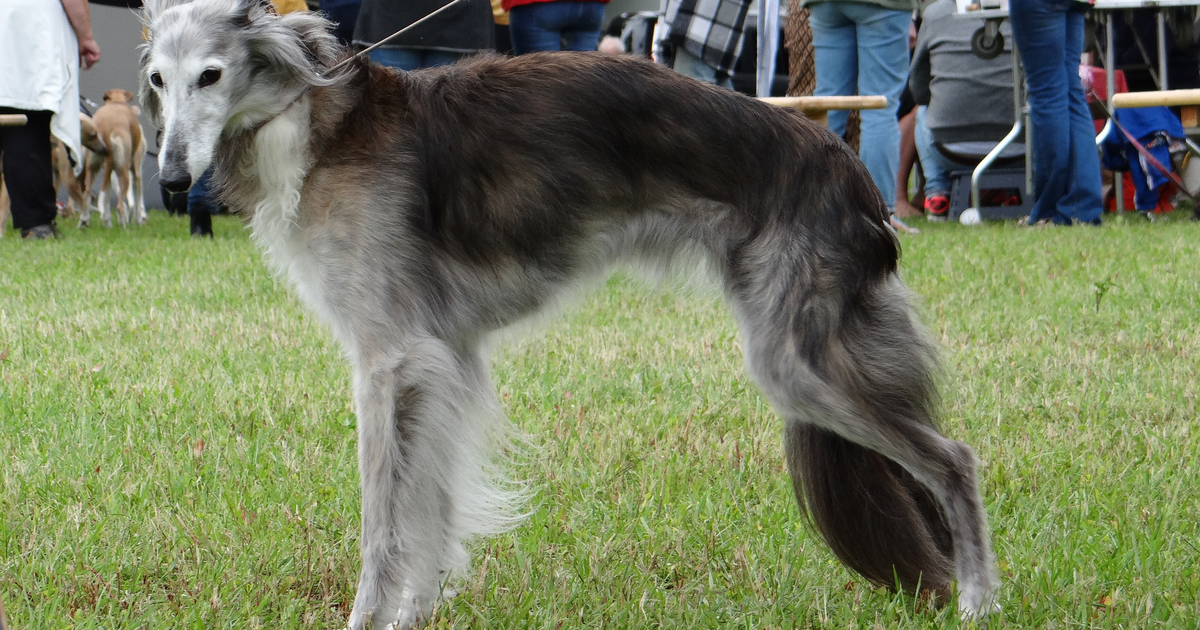
The Silken Windhound is a modern American breed, developed from Borzoi and Longhaired Whippet lines. Everything about it reads sighthound: the deep chest, the running build, the long coat over a fine frame. Nothing about it reads Collie.
But breeds are not sealed containers. A mutation travels with the dogs that founded the breed, not with the job description written on the breed standard. The Longhaired Whippet — one of the Silken Windhound’s foundation populations — carries ABCB1-1Δ at 45% in Germany, second only to the Collie, according to Gramer et al. (2011, The Veterinary Journal). When a new breed is built from a small number of founders drawn from that pool, the variant does not get filtered out. It gets concentrated.
That is why the German laboratory LABOKLIN lists both Silken Windhound and Silken Windsprite (Longhaired Whippet) in its at-risk breed list, alongside the expected herding names. The mutation left the herding group a long time ago; the public explanation never caught up.
What Mealey and Meurs actually found in 2008
The paper that first put Silken Windhounds on the map is Mealey KL and Meurs KM (2008, Journal of the American Veterinary Medical Association, volume 233, issue 6, pages 921-924).
The design was simple and large. Between 1 May 2004 and 30 September 2007, buccal swab samples from 5,368 dogs submitted to Washington State University for ABCB1 genotyping were tabulated by breed. This was not a targeted study of one breed; it was a sweep of everything that came through the door.
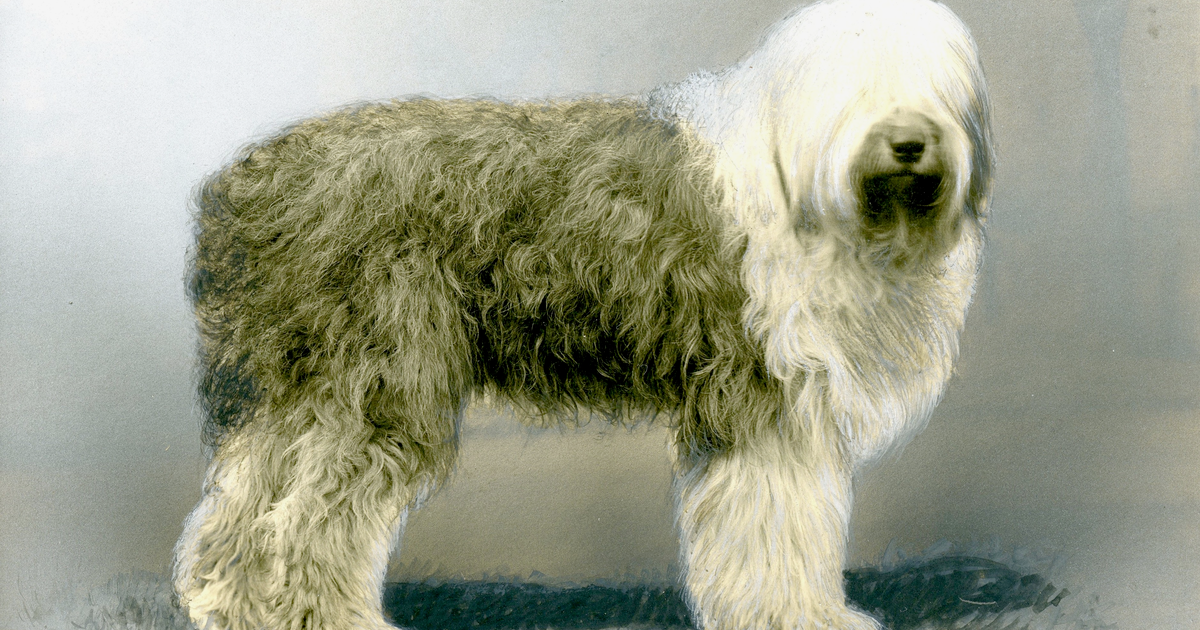
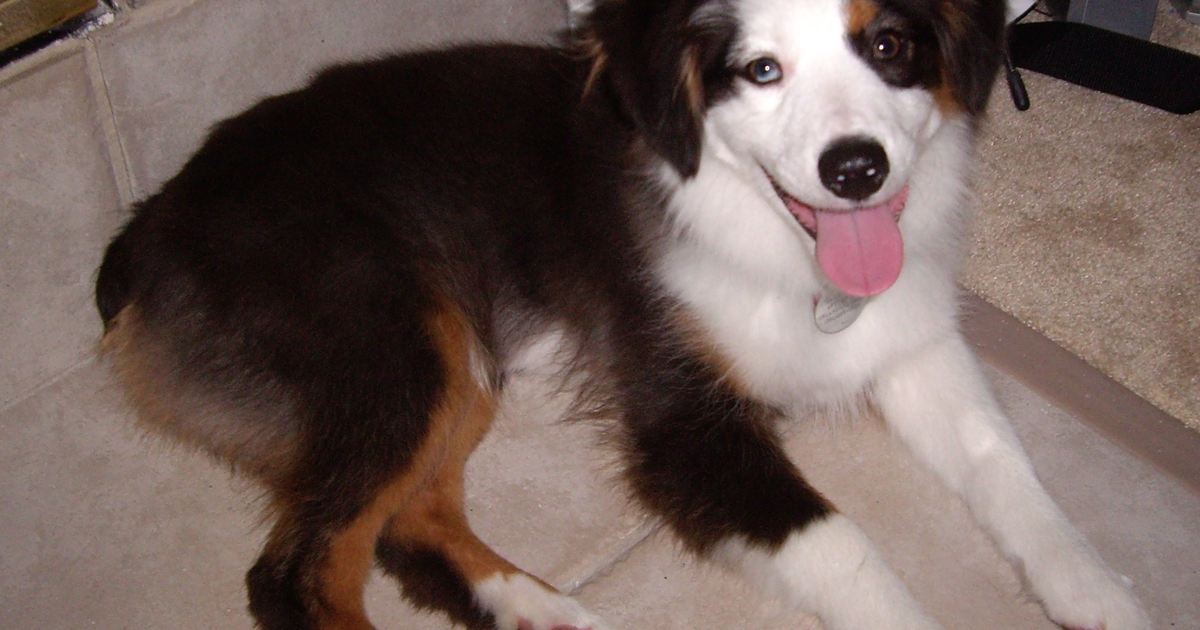
The ABCB1-1Δ allele turned up in nine breeds plus many mixed-breed dogs. The list: Collie, Longhaired Whippet, Australian Shepherd (standard and miniature), Shetland Sheepdog, Old English Sheepdog, Border Collie, Silken Windhound, and German Shepherd Dog — the last of which the authors flagged as a breed in which the mutation had not been detected previously.
The authors also made a point that gets quoted far less often than the breed list. They noted that the polymorphism is associated not only with adverse drug reactions but with suppression of the hypothalamic-pituitary-adrenal axis — meaning the practical consequences reach beyond a single bad reaction to a single drug.
Their closing recommendation was aimed squarely at clinicians: veterinarians should be familiar with which breeds carry the polymorphism in order to make appropriate pharmacological choices. Eighteen years on, that recommendation is still doing more work in herding-breed consultations than in sighthound ones.
28.1 percent — the survey that put a number on it
SamHow high is 28 percent, really? I have nothing to compare it to. Elena MarshRoughly one allele in four. In practice about half of all Silkens tested carried at least one copy.The number comes from Firdova Z et al. (2016, Research in Veterinary Science, volume 106, pages 89-92), a Comenius University team in Bratislava who genotyped 4,729 dogs collected across multiple European countries between 2012 and 2014, deliberately including countries no earlier survey had reached.
Their mutant allele frequencies, in order: Smooth Collie 58.5%, Rough Collie 48.3%, Australian Shepherd 35%, Shetland Sheepdog 30.3%, Silken Windhound 28.1%, Miniature Australian Shepherd 26.1%, Longhaired Whippet 24.3%, White Swiss Shepherd 16.2%, Border Collie 0%.
Read that ordering carefully. The Silken Windhound sits above both of the Australian Shepherd variants that everyone screens for, and above its own Longhaired Whippet ancestor. It sits below only the Collies and the Shetland Sheepdog.
An allele frequency of 28.1% translates, under standard assumptions, to roughly half of all dogs carrying at least one copy, and about 8% carrying two. This is not a rare-disease conversation. For a Silken Windhound owner, “my dog probably doesn’t have it” is a coin flip you should not be taking with an anaesthetic protocol.
Double jeopardy: sighthound anaesthesia and a missing drug pump
Sighthounds already come with an anaesthesia footnote. The class is characterised by very low body fat and a distinctive drug-handling profile; in Greyhounds, prolonged recovery from thiobarbiturates is a long-documented clinical problem, and the caution is routinely extended across sighthound breeds. Many practices already run a modified protocol for a Greyhound or a Borzoi.
MDR1 adds a separate and independent problem on top of that. The ABCB1 gene encodes P-glycoprotein, a pump embedded in the blood-brain barrier that actively pushes certain drug molecules back out of the brain. The 4-base-pair deletion described by Mealey et al. (2001, Pharmacogenetics) shifts the reading frame and generates premature stop codons, so the protein is never finished. No pump means the drug stays in the brain.
These two mechanisms have nothing to do with each other. One is about body composition and hepatic handling; the other is about a barrier protein. A Silken Windhound can have both at once, and the practice that adjusts for the sighthound half may not know to adjust for the MDR1 half.
Among the sedatives on Washington State University’s problem medication list, acepromazine and butorphanol both require dose consultation for MDR1 dogs — and both are common premedication choices. This is precisely the intersection where a genotype result on file changes what happens in the room.
The drugs that actually matter in a US household
Here is the correction that matters most, because getting it wrong causes real harm in the opposite direction.
Do not stop heartworm prevention. Washington State University states plainly that the FDA determined Heartgard is safe for dogs with the MDR1 mutation when used at label doses. Ivermectin at heartworm-preventive dosing is a few micrograms per kilogram — orders of magnitude below the threshold that causes trouble.
The size of that margin is worth seeing. According to LABOKLIN, affected dogs can show neurotoxic effects at 150 µg/kg, whereas unaffected dogs tolerate up to 2,000 µg/kg without clinical signs — roughly a 13-fold difference in safety margin. Prevention doses are nowhere near either figure. Mange-treatment doses of ivermectin (in the hundreds of µg/kg) very much are.
Sorted by what an owner can actually act on, the WSU list reads:
- Avoid outright. Loperamide (Imodium) — WSU marks this AVOID and states it “will cause neurological toxicity”. This is the single most likely accident in an American home, because it is sitting in the medicine cabinet and looks harmless.
- Requires a dose conversation. Acepromazine, butorphanol (Torbugesic), apomorphine, maropitant (Cerenia), ondansetron, cyclosporine (Atopica), grapiprant (Galliprant), and chemotherapy agents.
- Safe at label doses. Moxidectin (ProHeart, Simparica Trio), selamectin (Revolution), afoxolaner (NexGard), fluralaner (Bravecto), lotilaner (Credelio), sarolaner (Simparica). Most modern flea and tick products land here.
The pattern is consistent: licensed small-animal products used at label dose are largely fine; human medicine-cabinet drugs and off-label high-dose antiparasitics are where dogs get hurt.
Testing in the United States: the medical-grade option
SamI already ran a consumer DNA panel. Doesn’t that cover it? Elena MarshIt may screen it. WSU draws a line between screening and a result intended for clinical dosing decisions.The reference laboratory for this variant is the one that discovered it. Washington State University’s MDR1 test costs $70. Samples can be a cheek swab collected at home or blood drawn at your veterinary practice. Both owners and veterinarians can order directly through the WSU portal, so you do not need a referral to start.
Turnaround is scheduled rather than rolling: samples received on a Monday are reported Wednesday afternoon Pacific time.
The feature that distinguishes it from a cheaper panel is not the genotyping chemistry — it is what comes attached. WSU includes portal access that lets clients submit medication questions directly to a board-certified veterinary pharmacologist. WSU explicitly frames its result as intended for medical diagnosis and treatment, in contrast to less expensive screening products.
Broad consumer panels such as Embark and Wisdom Panel do include MDR1 among many conditions, and for a general picture of a dog they are reasonable value. If the specific question is “what do we do about anaesthesia next month”, the dedicated test with pharmacology support answers it more directly. Prices and terms change — confirm on each provider’s own page.
Testing in the United Kingdom: approved labs and the Results Finder
UK owners work inside a different system, and it has one genuine advantage: results become part of a searchable public record.
The Royal Kennel Club describes MDR1 as an inherited condition making affected dogs particularly sensitive to drugs such as ivermectin and loperamide, and operates a formal structure around the test. The RKC sets criteria that DNA testing laboratories must meet before it will record their results, and publishes a list of approved laboratories.
Results from an approved laboratory are recorded and become visible through the RKC’s Health Test Results Finder, so a prospective owner or a breeder assessing a mate can look up a dog’s MDR1 status rather than take it on trust. For a numerically small breed, that transparency is worth more than it sounds — it is the mechanism by which a small gene pool avoids doubling down on the same variant.
On price and provider, the UK figures are concrete. LABOKLIN UK lists the MDR1 gene variant test at £48.00 including VAT. Sample material is whole blood in an EDTA tube (0.5–1 ml) or buccal swabs, and the stated turnaround is 2–3 weeks — noticeably slower than WSU’s Monday-to-Wednesday cycle, so plan around a scheduled procedure rather than after one is booked. Their breed list names Silken Windhound explicitly, alongside Longhaired Whippet, Miniature American Shepherd, Bobtail / Old English Sheepdog and White Swiss Shepherd. Consumer-facing UK options exist as well — EasyDNA UK advertises a cheek-swab MDR1 test from £55 with results in about 7 working days — but if you want the result on the RKC record, confirm the laboratory is on the approved list before you pay.
Two cost notes for UK owners. First, ordering through a UK provider means you post the sample domestically — no international shipping and no customs declaration to handle yourself — which is the main practical reason to use LABOKLIN UK rather than sending a swab to Washington State. (LABOKLIN UK flags this particular assay as run at a partner laboratory, so the sample may still travel onward within the group; the point is that the paperwork is not yours.) Second, if you do order from WSU from the UK, the $70 is charged in US dollars, so expect a card issuer’s non-sterling transaction fee (commonly around 2.75–2.99%) on top of the exchange rate. For a single test the domestic option is usually both cheaper and simpler; the WSU route earns its keep mainly for the pharmacologist consultation attached to it.
UK prevalence data exist too: Tappin SW et al. (2012, Veterinary Record, volume 171, issue 3), a University of Bristol group working with Mealey, reported the frequency of the mutant MDR1 allele in dogs in the UK.
Registry status shapes how much health data exists in the first place. In the United States the Silken Windhound is recorded through the American Kennel Club Foundation Stock Service (AKC-FSS) rather than as a fully recognised breed with a parent-club health survey behind it, and the breed is maintained primarily by its own registry and breeder community. Fewer registered dogs means fewer aggregated health statistics, which is precisely why the published allele frequencies come from European laboratory surveys rather than from a US breed-club screening programme.
Regulation differs sharply between the two markets, and neither mandates this test. In the United States there is no federal requirement for genetic screening before breeding; the Animal Welfare Act licences commercial breeders but does not specify DNA testing. In England, the Animal Welfare (Licensing of Activities Involving Animals) Regulations 2018 — and the 2020 amendment widely known as Lucy’s Law — require puppies to be sold by the breeder or a rehoming centre rather than a third-party dealer, and the Royal Kennel Club’s Assured Breeder Scheme sets health-testing requirements on a per-breed basis. In both countries, whether a litter was screened for MDR1 is a breeder’s choice, not a legal obligation. Asking for both parents’ certificates is the buyer’s only reliable check.
Practical note for UK owners: because the Silken Windhound is not a numerically large breed in Britain, do not assume your practice has seen the genotype before. Bring the printed result to the appointment rather than relying on it being flagged in the record.
What insurance covers, and what it does not
Two separate money questions get conflated here, and they have different answers on both sides of the Atlantic.
The genetic test itself is generally not covered. Mainstream US policies (Trupanion, Healthy Paws, Nationwide, ASPCA Pet Health Insurance) treat accident and illness as the covered event; a DNA test on a healthy dog is preventive or wellness spending. Some insurers sell an optional wellness rider that may reimburse a portion — check whether yours lists genetic screening explicitly rather than assuming. In the UK the same logic applies: routine and preventive testing sits outside standard lifetime policies.
Treatment for an adverse drug reaction is a different matter, and this is where the fine print earns its keep. Intensive care, fluids, and intravenous lipid emulsion therapy for a toxicity event are treatment for an acute illness. The clauses to read before you need them:
- Hereditary and congenital conditions. US and UK policies vary widely — some cover hereditary conditions in full, some exclude them, some cover them only if no signs pre-dated the policy. MDR1 is a pharmacogenetic trait rather than a disease, but insurers do not always draft with that distinction in mind.
- Pre-existing conditions. If the genotype was already documented before the policy started, ask in writing whether that counts as pre-existing. Get the answer in writing.
- Owner-administered medication. Some policies restrict claims arising from medication given without veterinary direction — directly relevant to a loperamide incident.
The efficient move is to search your policy document for the words “hereditary”, “congenital”, “preventive” and “pre-existing”, then call and ask the two questions separately: is the test covered, and is treatment for a drug reaction covered.
Three sentences that change what happens in the exam room
In the United States and the United Kingdom alike, the primary-care practice is the point of entry, and referral to a specialist or emergency centre flows from there. What determines the outcome is usually not the referral pathway — it is what gets said in the first two minutes.
Whether or not you have tested, say these three things at any appointment involving sedation, anaesthesia, or a new prescription:
- “This is a Silken Windhound — it is a sighthound, and it is an MDR1 at-risk breed.”
- “Her MDR1 genotype is [normal / carrier / affected / not yet tested].”
- “Please flag MDR1 in the record so it is visible before any premedication is drawn up.”
If a reaction is already underway — ataxia, dilated pupils, drooling, vomiting, apparent blindness, tremors, profound sedation, typically within hours to a day or two of dosing — go in immediately and bring the packaging. The active ingredient and the amount given determine the treatment, and neither can be reconstructed from memory reliably. Out of hours, an emergency veterinary hospital is the right destination; in the US you can also call a veterinary poison control service on the way.
One last framing point. A normal/normal result is not a licence to stop paying attention: it removes one specific risk, not the sighthound anaesthesia considerations, not dosing errors, and not drug interactions. The genotype is an input to a plan, not a clearance certificate.
FAQ
Q. Is the Silken Windhound really higher risk than an Australian Shepherd?
By allele frequency in the European survey, yes for one comparison and no for the other. Firdova et al. (2016) reported 28.1% for the Silken Windhound against 35% for the standard Australian Shepherd and 26.1% for the Miniature Australian Shepherd. The practical risk is arguably higher for the Silken because fewer clinicians expect it in a sighthound.
Q. Should I stop my dog’s heartworm preventive?
No. WSU states the FDA determined Heartgard is safe for MDR1 dogs at label doses, and stopping prevention exposes your dog to heartworm disease. Discuss any change with your veterinarian rather than acting on the internet.
Q. My dog is a carrier, not affected. Is that fine?
Not entirely. A carrier has roughly half the normal P-glycoprotein capacity. LABOKLIN notes that although inheritance is autosomal recessive, hypersensitivity should also be anticipated in carriers. Tell your veterinarian the genotype either way.
Q. Can I use a human anti-diarrhoeal in an emergency?
Not one containing loperamide. WSU classifies it as AVOID and states it will cause neurological toxicity in MDR1 dogs. Call your practice for an alternative instead.
Q. Does a consumer DNA kit result count for the Royal Kennel Club record?
Only if the laboratory meets the RKC’s criteria and appears on its approved list. Check the RKC’s DNA testing page before paying, if having the result recorded and searchable matters to you.
Q. How often does the test need repeating?
Never. A genotype is fixed for life, so a single test at any age covers every future anaesthetic, neuter, and antiparasitic decision.
References
- Mealey KL, Bentjen SA, Gay JM, Cantor GH. Ivermectin sensitivity in collies is associated with a deletion mutation of the mdr1 gene. Pharmacogenetics. 2001;11(8):727-733. https://pubmed.ncbi.nlm.nih.gov/11692082/
- Mealey KL, Meurs KM. Breed distribution of the ABCB1-1Delta (multidrug sensitivity) polymorphism among dogs undergoing ABCB1 genotyping. Journal of the American Veterinary Medical Association. 2008;233(6):921-924. https://pubmed.ncbi.nlm.nih.gov/18795852/
- Gramer I, Leidolf R, Döring B, et al. Breed distribution of the nt230(del4) MDR1 mutation in dogs. The Veterinary Journal. 2011;189(1):67-71. https://pubmed.ncbi.nlm.nih.gov/20655253/
- Tappin SW, Goodfellow MR, Peters IR, Day MJ, Hall EJ, Mealey KL. Frequency of the mutant MDR1 allele in dogs in the UK. Veterinary Record. 2012;171(3):72. https://pubmed.ncbi.nlm.nih.gov/22735986/
- Firdova Z, Turnova E, Bielikova M, Turna J, Dudas A. The prevalence of ABCB1:c.227_230delATAG mutation in affected dog breeds from European countries. Research in Veterinary Science. 2016;106:89-92. https://pubmed.ncbi.nlm.nih.gov/27234542/
- Washington State University, Washington Animal Disease Diagnostic Laboratory. MDR1 in Dogs — Problem Medications. https://waddl.vetmed.wsu.edu/mdr1-in-dogs/
- Washington State University. MDR1 test pricing. https://waddl.vetmed.wsu.edu/2022/08/29/mdr1-test-pricing/
- The Royal Kennel Club. DNA test — Multiple drug sensitivity (MDR1). https://www.royalkennelclub.com/health-and-dog-care/health-dog-care/health/getting-started-with-health-testing-and-screening/dna-testing/dna-test-mdr1/
- LABOKLIN. MDR1 gene variant (ivermectin hypersensitivity). https://laboklin.de/de/leistungen/genetik/erbkrankheiten/hund/mdr1-genvariante-ivermectin-ueberempfindlichkeit/
Featured image credit: “Bon Zoi`z Summer Sparkle” (Wikimedia Commons), licensed under CC BY-SA 4.0. Original file.
How to get your pet tested
Some pet DNA tests screen for hereditary-disease carrier status or genetic risk markers, but the results are information, not a diagnosis. If your pet has symptoms or you need a confirmed diagnosis, please consult your veterinarian.
Below is where MDR1 (ABCB1) can be tested, grouped by where you live and marked by whether each service explicitly lists this variant (✅ = listed / ❓ = unverified / ❌ = not offered).
In the United States
In the United Kingdom
In India
Elsewhere
Note: even if the kit can be purchased/shipped internationally, the service itself (sample return, analysis, results) is not guaranteed in your country. Check each service’s stated service area and sample-return method before ordering.
Services offered in other regions (may not be available where you live)
Worried about your pet’s health? — Talk to a veterinarian
A confirmed diagnosis and any treatment plan are decisions for a veterinarian, not a test kit. The links below are professional resources.
AVMA — Find a veterinarian (American Veterinary Medical Association)
This section contains advertising (affiliate links); we may earn a commission if you buy through them. As an Amazon Associate, we earn from qualifying purchases. Genetic tests do not guarantee the prevention, diagnosis, or treatment of any disease — results indicate tendencies and provide information only.
This page is educational information, not veterinary diagnosis or advice. Always consult a veterinarian about your pet’s health.
About the author
Elena Marsh
Editor & writer (not a veterinarian)
A writer with a molecular-biology background and a lifelong dog and cat owner. Not a veterinarian — she translates peer-reviewed genetics research and primary data into plain language, always as information rather than diagnosis.